
How to Apply for the California WIC Program
In the beautiful state of California, the Women, Infants, and Children (WIC) Program is a federal grant program dedicated to safeguarding the health of low-income women, infants, and children up to age five who are at nutritional risk. If you’re wondering how to apply for the California WIC Program, then this comprehensive guide is for you.
To illustrate the process in a step-wise and concise manner, we will begin with eligibility criteria and go on to the application process.
Who is Eligible for California WIC?
Eligibility for the California WIC Program is determined by four factors – category, income, residential, and nutritional risk. Let’s delve deeper.
Category Requirement
To be eligible, you must belong to one of the following categories: Pregnant women, Breastfeeding women, Postpartum women, Infants, and Children up to the age of five.
Income Requirement
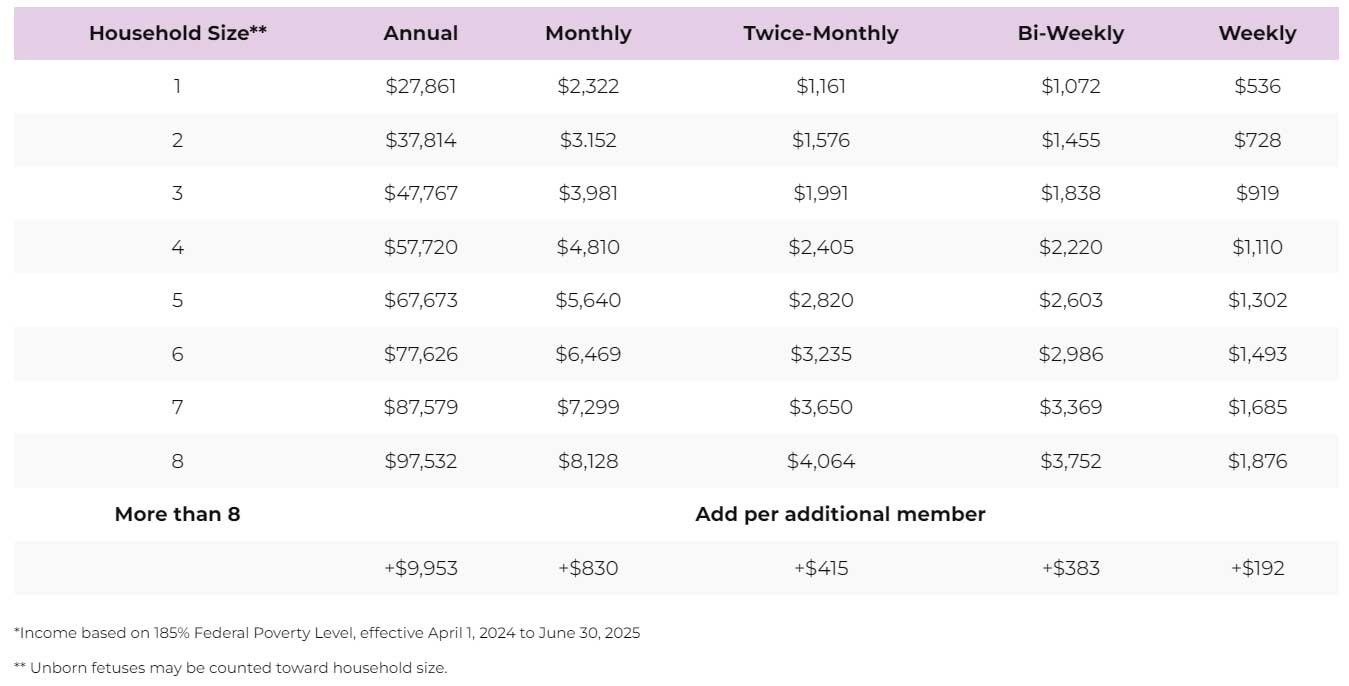
Income is another determining factor for eligibility. Your total household income must fall at or below 185 percent of the U.S. Poverty Income Guidelines. This includes your income before taxes. It’s also important to note that if you are currently receiving CalFresh, Medi-Cal, or CalWORKs benefits, you are automatically eligible.
Residential Requirement
In order to apply for the California WIC Program, you must be a resident of California. Proof of the residential address is required during application.
Nutritional Risk Requirement
You are considered at nutritional risk if you have a medical or dietary condition, like anemia, underweight, overweight, history of pregnancy complications, or poor diet, which can be improved by proper nutrition with the aid of the WIC.
How to Apply for California WIC
Having understood the eligibility criteria, let us now walk you through the application process to apply for California WIC.
Step 1: Locate Your Local WIC Agency
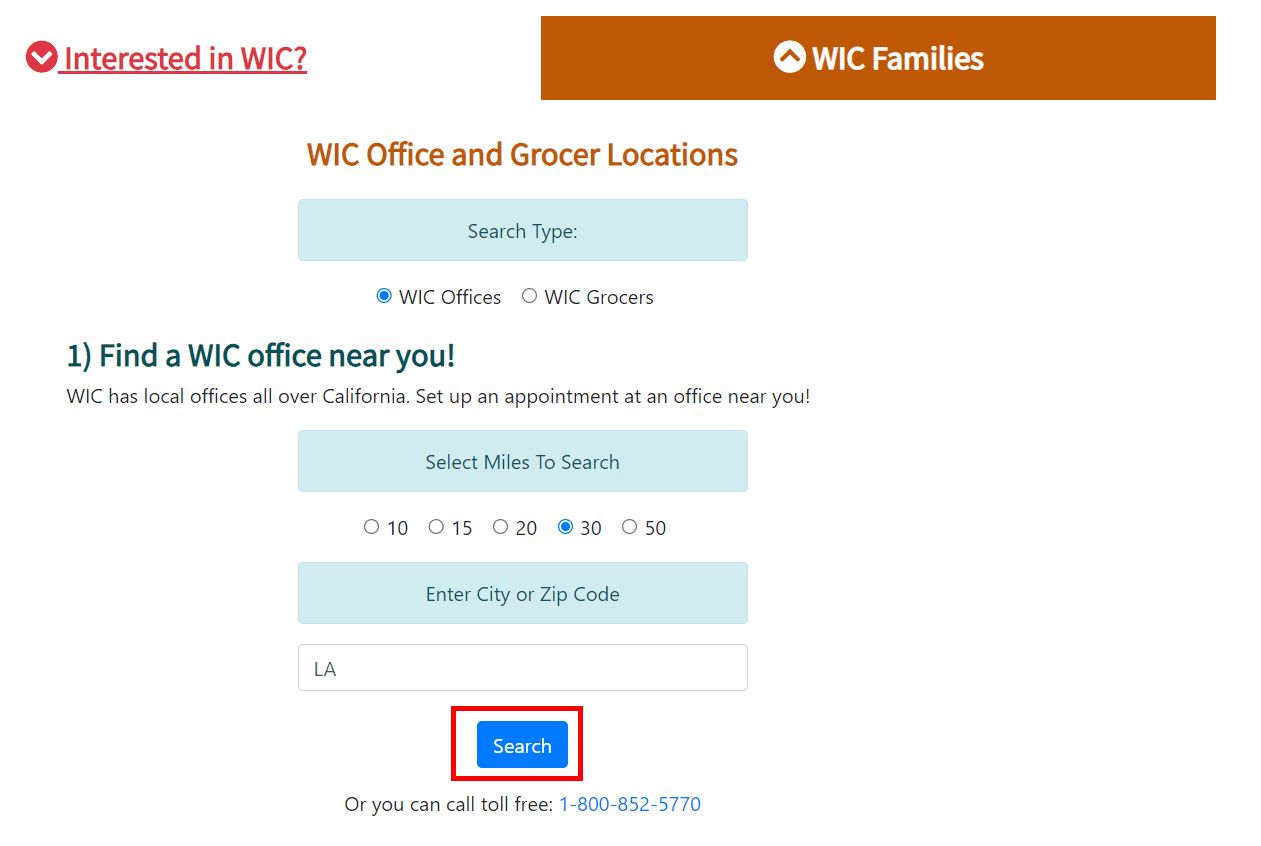
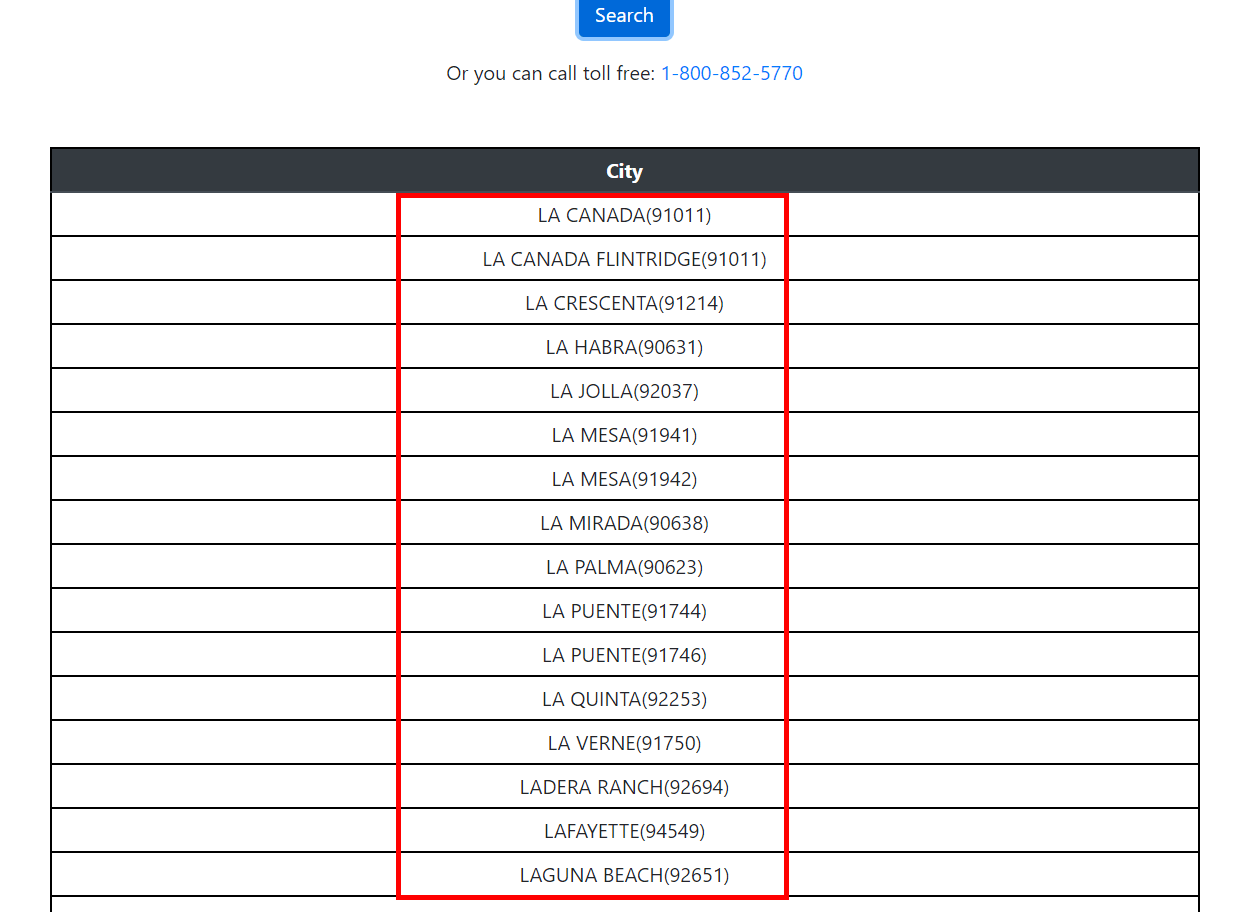
The first step is to find your local WIC agency. You can do this easily by visiting the official WIC website. Each county within California has its own WIC agency. Choose the one that corresponds with your residential location. Please call 800-224-7472 or send an email to: WIC@cdph.ca.gov.
Step 2: Schedule an Appointment
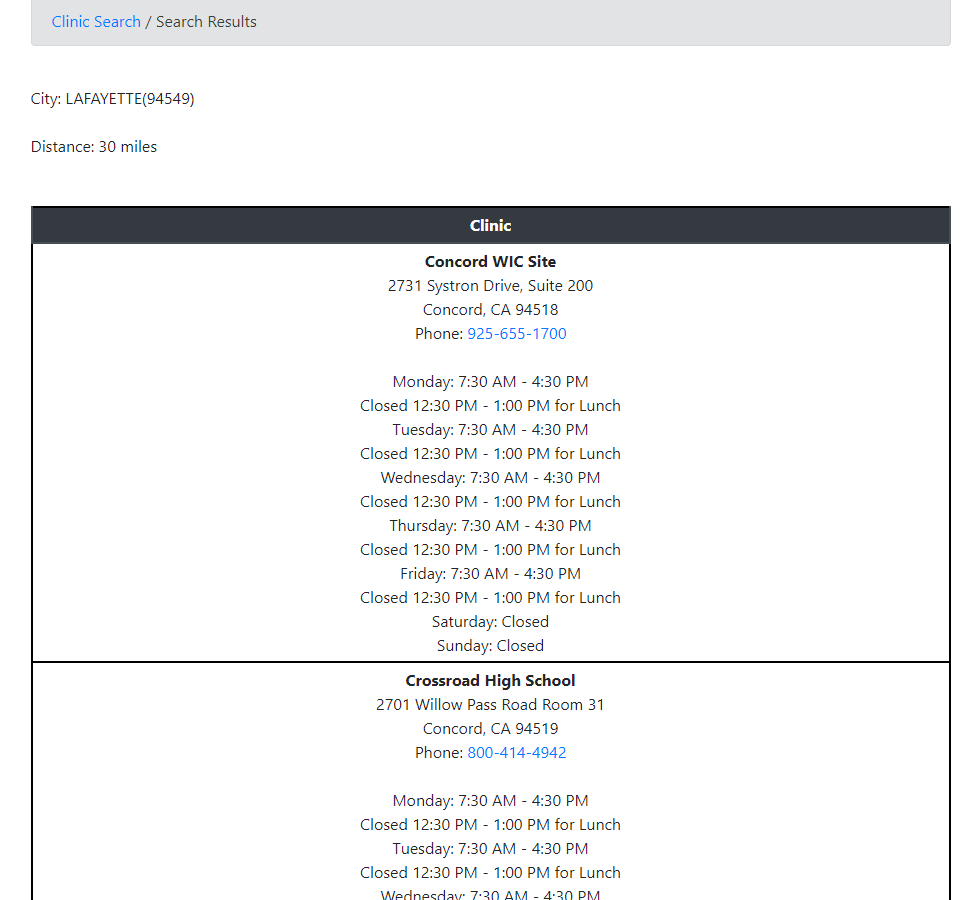
After you have located your local WIC agency, the next step involves scheduling an appointment. You can do this by either calling the number provided on the website or by visiting the agency in person. Remember to provide accurate information as any discrepancy may result in delay or disqualification.
Step 3: Attend the Appointment and Provide Necessary Documentation
In this step, you are required to attend the scheduled appointment at your local California WIC agency. Make sure you bring along all the necessary documents. These include proof of identity, proof of address, proof of income, proof of category (pregnancy declaration, breastfeeding documentation, etc.), and a note from your healthcare provider if you are at nutritional risk.
Step 4: Learn about your Benefits
Finally, if you are approved for the California WIC Program, you will receive nutrition education and support, breastfeeding support, referrals to healthcare and social services, and nutritious foods to supplement your diet.
With these steps, you can easily apply for the California WIC. Ensure that you provide accurate and verifiable information during the application process to prevent any hitches. Whether you need support during pregnancy, breastfeeding, or for your young child, the California WIC Program is a fabulous resource that can assist you in ensuring healthy nutrition for you and your child.
For more information about similar programs, visit our detailed guide on Women, Infants, and Children Programs.
This information has been sourced accurately from the official California WIC Program website, which you can reference for more detailed information. (source)
Remember, the California WIC Program is more than just a program. It’s a commitment that ensures the health, nutrition, and well-being of women, infants, and children in need.
Note: This is a standard procedure and it may vary slightly depending on your county. Please check with your local WIC agency for more information.